


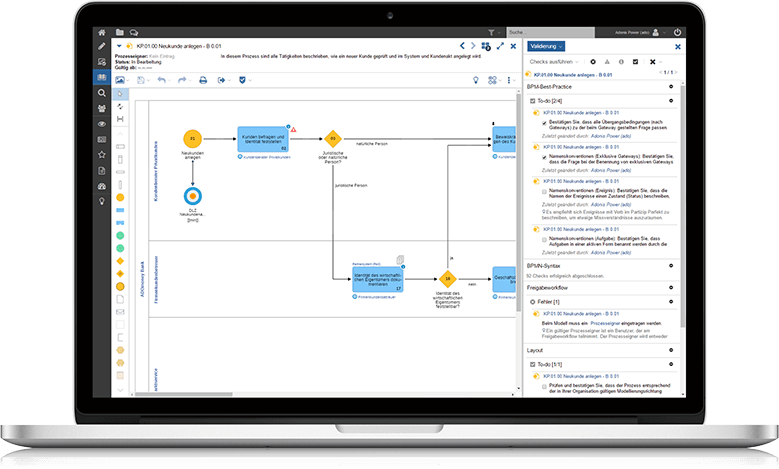

An Introduction to Adonis BPM
Organizations are increasingly recognizing the importance of digital transformation as a means to enhance competitiveness and drive growth. At the heart of this transformation lies Business Process Management (BPM), a discipline that focuses on optimizing and automating business processes to achieve greater efficiency and effectiveness. One of the leading solutions in this space is Adonis BPM, developed by BOC Group.
This powerful tool enables organizations to visualize, analyze, and improve their processes, ultimately leading to smarter decision-making and enhanced operational performance. Adonis BPM is designed to cater to the needs of various stakeholders within an organization, from managers to board members. It provides a comprehensive platform for process modeling, analysis, and management, allowing users to gain insights into their operations and identify areas for improvement.
By leveraging Adonis BPM, organizations can streamline their workflows, reduce redundancies, and foster a culture of continuous improvement. This not only enhances productivity but also positions businesses to respond more effectively to market changes and customer demands.
Key Takeaways
- Adonis BPM is a business process management system that helps organizations streamline their processes and improve efficiency.
- The benefits of using Adonis BPM include increased productivity, better resource allocation, and improved decision-making.
- Key features of Adonis BPM include process modeling, automation, monitoring, and reporting capabilities.
- Implementing Adonis BPM involves identifying key processes, mapping them out, and then implementing the software to automate and optimize these processes.
- Integrating Adonis BPM with other systems such as CRM, ERP, and HR systems can further enhance its capabilities and provide a more comprehensive solution for organizations.
Benefits of Adonis BPM:
Improved Operational Efficiency
Organizations that adopt this solution can expect significant improvements in operational efficiency. By automating routine tasks and optimizing workflows, businesses can reduce the time and resources spent on manual processes. This leads to cost savings, allowing employees to focus on higher-value activities that drive innovation and growth.
Data-Driven Decision Making
Adonis BPM empowers organizations to make informed decisions based on data-driven insights provided by the platform’s robust analytics capabilities. Users can monitor key performance indicators (KPIs) and assess the effectiveness of their processes. With access to real-time data, managers can identify bottlenecks, track progress, and make informed adjustments to enhance performance.
Fostering a Culture of Accountability
This level of visibility not only supports better decision-making but also fosters a culture of accountability within the organization.
Features of Adonis BPM:

Adonis BPM boasts a rich array of features designed to facilitate effective process management. One of its standout capabilities is process modeling, which allows users to create visual representations of their workflows using intuitive drag-and-drop tools. This feature simplifies the process of documenting and analyzing workflows, making it accessible even for those without extensive technical expertise.
In addition to process modeling, Adonis BPM offers powerful simulation tools that enable organizations to test different scenarios and assess the potential impact of changes before implementation. This proactive approach helps mitigate risks associated with process changes and ensures that decisions are based on thorough analysis rather than guesswork. Furthermore, the platform supports collaboration among team members, allowing for seamless communication and knowledge sharing throughout the organization.
Implementing Adonis BPM:
Implementing Adonis BPM requires a strategic approach to ensure that organizations maximize their investment in the solution. The first step in this process is to conduct a thorough assessment of existing business processes. This involves mapping out current workflows, identifying pain points, and determining areas for improvement.
By gaining a clear understanding of the organization’s operational landscape, managers can set realistic goals for their BPM initiatives. Once the assessment is complete, organizations can begin the implementation phase by leveraging Intermedio Information Technology’s expert consultancy services. Intermedio specializes in BPM solutions and offers tailored support throughout the implementation process.
Our team of experienced consultants works closely with organizations to develop a customized roadmap that aligns with their specific needs and objectives. This collaborative approach ensures that businesses not only adopt Adonis BPM effectively but also achieve sustainable growth through intelligent automation.
Integrating Adonis BPM with other systems:
A key advantage of Adonis BPM is its ability to integrate seamlessly with other systems within an organization’s technology ecosystem. This interoperability is crucial for organizations looking to create a cohesive digital environment where data flows freely between applications. By integrating Adonis BPM with existing enterprise resource planning (ERP) systems, customer relationship management (CRM) tools, and other software solutions, businesses can enhance their overall operational efficiency.
Integration allows for real-time data exchange between systems, enabling organizations to make informed decisions based on comprehensive insights. For example, when Adonis BPM is connected with an ERP system, managers can access up-to-date information on inventory levels, production schedules, and financial performance—all within a single platform. This holistic view empowers decision-makers to respond swiftly to changing market conditions and customer needs while ensuring that processes remain aligned with organizational goals.
Adonis BPM best practices:

To fully leverage the capabilities of Adonis BPM, organizations should adhere to best practices that promote effective process management. One essential practice is fostering a culture of continuous improvement within the organization. This involves encouraging employees at all levels to contribute ideas for process enhancements and actively participate in BPM initiatives.
By creating an environment where feedback is valued and acted upon, organizations can drive innovation and ensure that processes remain relevant in a rapidly changing business landscape. Another best practice is to prioritize training and development for employees involved in process management. Providing comprehensive training on how to use Adonis BPM effectively equips team members with the skills they need to maximize the platform’s potential.
Additionally, ongoing support and resources should be made available to ensure that employees stay up-to-date with new features and functionalities as they are released.
Case studies of successful Adonis BPM implementation:
Numerous organizations have successfully implemented Adonis BPM to achieve significant improvements in their operations. For instance, a leading manufacturing company utilized Adonis BPM to streamline its production processes. By mapping out workflows and identifying inefficiencies, the organization was able to reduce production lead times by 30%.
This not only improved customer satisfaction but also resulted in substantial cost savings. Another case study involves a financial services firm that adopted Adonis BPM to enhance its compliance processes. By automating key workflows related to regulatory reporting and risk management, the organization was able to reduce errors and improve accuracy in its reporting practices.
As a result, the firm not only met compliance requirements more efficiently but also gained greater confidence in its risk management strategies.
Future developments in Adonis BPM:
As technology continues to evolve, so too will the capabilities of Adonis BPM. Future developments are likely to focus on enhancing automation features through artificial intelligence (AI) and machine learning (ML). These advancements will enable organizations to leverage predictive analytics for more informed decision-making and further streamline their processes.
Additionally, as sustainability becomes an increasingly important consideration for businesses worldwide, future iterations of Adonis BPM may incorporate features that support Green BPM initiatives. This could include tools for measuring environmental impact and optimizing resource usage within business processes. By aligning with sustainability goals, organizations can not only improve their operational efficiency but also contribute positively to society and the environment.
In conclusion, adopting Adonis BPM through Intermedio Information Technology presents a unique opportunity for organizations seeking to enhance their competitiveness in an ever-evolving marketplace. With its robust features, expert consultancy support, and commitment to sustainability, Intermedio empowers businesses to achieve digital success through intelligent automation. To explore how Adonis BPM can transform your organization’s processes and drive sustainable growth, contact Intermedio today for tailored consultancy and implementation support.
